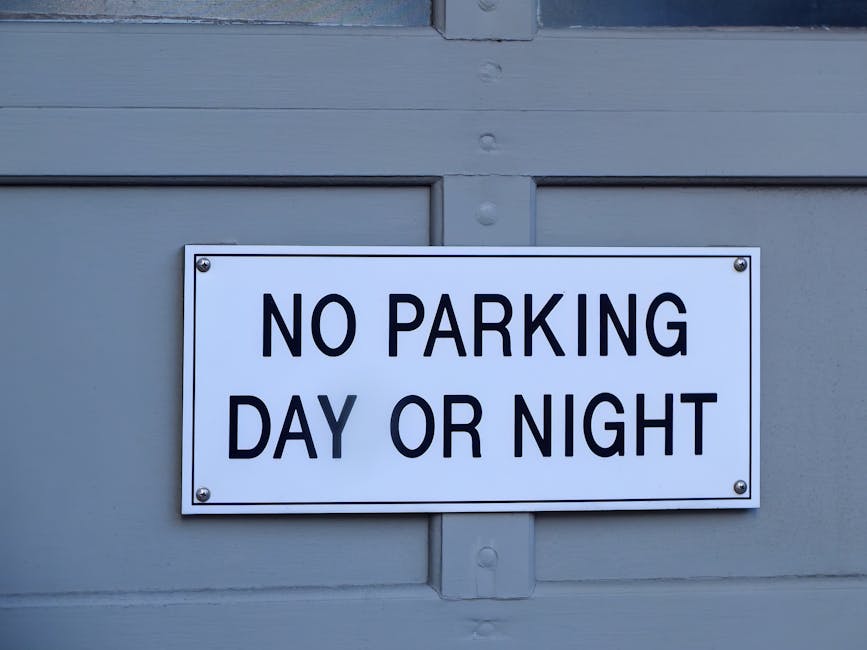
Local parking permits Knightsbridge council moving day rules: a practical guide for a smoother move
If you are moving in Knightsbridge, parking can become the make-or-break detail very quickly. Streets are tight, bays fill fast, and one awkward van placement can turn a simple move into a long, stressful day. That is why understanding Local parking permits Knightsbridge council moving day rules matters before the first box leaves the hallway. In this guide, we will walk through what the rules usually mean in practice, how moving day parking is handled, and what you should check well before the truck turns up. Truth be told, a little planning here saves a lot of legwork later.
We will also cover who needs to think about permits, how to avoid common mistakes, and how to build a moving plan that fits the realities of central London. If you are arranging a house move, flat move, or office relocation, you may also find it useful to review our home moves, flat removals, and office removals pages as part of your wider planning.
One thing you will notice in Knightsbridge: a "quick stop" is rarely just a quick stop. A delivery slot, a loading restriction, a bay suspension, or a permit window can all affect the move. So let's break it down properly.
Table of Contents
- Why Local parking permits Knightsbridge council moving day rules Matters
- How Local parking permits Knightsbridge council moving day rules Works
- Key Benefits and Practical Advantages
- Who This Is For and When It Makes Sense
- Step-by-Step Guidance
- Expert Tips for Better Results
- Common Mistakes to Avoid
- Tools, Resources and Recommendations
- Law, Compliance, Standards, or Best Practice
- Options, Methods, or Comparison Table
- Case Study or Real-World Example
- Practical Checklist
- Conclusion
- Frequently Asked Questions
Why Local parking permits Knightsbridge council moving day rules Matters
Parking rules are not just a box-ticking exercise. In Knightsbridge, they shape the whole rhythm of the move. If the vehicle cannot stop close enough to the property, crews spend more time carrying items across the street, around parked cars, or through awkward gaps. That slows everything down, raises the risk of damage, and makes the day feel much longer than it should.
There is also the simple matter of compliance. Moving day often involves a van, a loading area, temporary waiting, or parking that is only acceptable under certain conditions. If those conditions are ignored, the move can be interrupted. Nobody wants to be the person standing in the road, checking the mirror every few seconds and wondering whether the ticket on the windscreen is about to ruin the afternoon.
For residents, landlords, tenants, and businesses, the rules matter for another reason too: they protect neighbours and keep traffic moving. Knightsbridge is busy, and a considerate approach goes a long way. If you are moving into a flat or out of a townhouse, the difference between a smooth day and a stressful one is often just a couple of well-timed decisions. That is the real value here.
Expert summary: In central London moves, parking is not an afterthought. Plan the vehicle position, loading time, and permit needs as early as you plan the boxes. It sounds obvious, but plenty of moves still go sideways because of this one detail.
How Local parking permits Knightsbridge council moving day rules Works
The exact process can vary depending on the street, the type of property, and any local restrictions in force on the day. In practical terms, you usually need to think about three layers: where the vehicle can stop, whether that stop is permitted for loading, and whether any additional approval or suspension is required.
Here is the plain-English version:
- Loading only does not always mean free-for-all parking. Some bays or road sections allow loading within a limited time, but that still has conditions.
- Permit or dispensation may be needed. In some situations, a moving vehicle may need formal permission to use a bay or hold a space.
- Timing matters. Restrictions may change by time of day, day of week, or even by street segment.
- Space must be realistic for the vehicle size. A small van and a long removal truck are not the same problem, and the parking plan should reflect that.
If you are using a removal team, they should be able to help you think through access and vehicle size. For larger or more complex moves, a proper removal services approach is often far easier than trying to improvise on the day. If your move is commercial, you may also need to think about building access, office hours, and staff coordination, which is why commercial moves can require a very different parking strategy.
In practice, the moving-day plan should answer four questions:
- Where will the vehicle stop?
- How long will it need to stay there?
- Does the location require a permit, suspension, or special approval?
- What is the backup plan if the space is occupied?
A lot of the stress disappears once those questions are answered. Not all of it, of course. Moving day still feels like moving day. But it becomes manageable.
Key Benefits and Practical Advantages
Getting parking right offers more than convenience. It affects cost, safety, timing, and even how tired everyone feels by 3 p.m.
- Less carrying distance: A legal, well-placed loading spot means fewer trips and less strain.
- Reduced delay: Crews can work steadily instead of waiting for a gap or moving the vehicle mid-job.
- Lower risk of damage: Shorter routes between property and vehicle are easier on furniture, walls, and floors.
- Better neighbour relations: A tidy, controlled move is simply less disruptive.
- More accurate scheduling: If the van can park where expected, the whole timetable is easier to keep.
This matters especially in Knightsbridge where access can be awkward. Narrow streets, expensive finishes in properties, and busy footfall all make efficient loading more valuable. To be fair, you do not need a grand strategy document. You just need a plan that matches the street in front of the building.
There is another practical upside: if you are comparing moving options, parking complexity can influence the type of vehicle you need. A larger truck may make sense for some moves, but a smaller vehicle or a more flexible man and van setup can be easier where parking is tight. For heavier or larger loads, a moving truck may still be the right choice, but the parking plan needs to be tighter.
Who This Is For and When It Makes Sense
This topic is relevant to anyone moving in or out of Knightsbridge, but some people need to pay much closer attention than others.
Home movers
If you are moving from a studio, apartment, maisonette, or townhouse, parking can affect how long the team spends on site and how disruptive the move feels. If you are relocating from a top-floor flat with no lift, a bad parking arrangement can quickly become a headache. In those cases, our house removals and house removalists services are often considered because they are built around the practical realities of access and lifting.
Flat movers and tenants
Flat moves often involve controlled access, resident bays, or limited stopping points. If that sounds familiar, you are not alone. It is one of the most common moving-day pinch points in central London. A good flat removals plan takes parking as seriously as packing.
Businesses and offices
Office moves need parking discipline because the timetable is usually tighter and the building may have concierge rules, loading dock rules, or shared access. If staff need to arrive and leave around the same time, the wrong parking decision creates a domino effect. That is where office relocation services and office removals can help the most.
Students, short-term movers, and same-day jobs
Short notice moves are the hardest to organise neatly. If you are moving quickly or with limited lead time, parking becomes even more important because there is less room for error. A same-day removals service, or a more compact vehicle through removal van transport, can be a sensible fit when access is limited.
Step-by-Step Guidance
Here is a simple, practical way to handle moving-day parking in Knightsbridge without making your life more complicated than necessary.
- Check the property frontage first. Stand outside and look at the actual street layout. Do not rely only on memory or a map pin. Is there a bay? Is there room for a van to pause without blocking everyone?
- Measure the vehicle against the space. Small differences matter. A van that seems "not too big" on paper can still be awkward in a narrow street with parked cars.
- Understand the local restrictions. Look for loading rules, bay markings, resident restrictions, and any time-based limits. If something is unclear, treat it as unclear rather than assuming it will be fine.
- Decide whether a permit or suspension is needed. Some moves can be handled with normal loading rules. Others need formal permission because the location is too busy or the stop is too long.
- Build in a backup plan. What if the space is occupied? What if another vehicle is there when your team arrives? A nearby alternative matters.
- Coordinate arrival times carefully. If the vehicle arrives too early, it may sit idling and cause problems. Too late, and the move drifts into the rest of the day.
- Brief everyone before moving day. People should know where to go, who to call, and which entrance to use. Small thing, big difference.
If you are packing yourself, it also helps to have boxes grouped by room and priority. That sounds simple, but it makes the unloading side far easier. Our packing and boxes and packing and unpacking services pages are useful if you want help reducing the chaos on the day.
And if you have items that do not need to move straight into the new property, think ahead about storage. It can remove pressure from a parking-sensitive move, especially if the property is not ready all at once.
Expert Tips for Better Results
These are the small details that often make the biggest difference.
- Aim for an early start where possible. Knightsbridge traffic and street activity tend to build as the day goes on.
- Assign one person to parking coordination. If too many people give instructions, nobody is really in charge. Classic moving-day chaos.
- Keep the loading route clear. Hallways, steps, and entrances should not become a storage zone.
- Protect the floor and threshold. A short walk over a beautiful hallway floor can leave a long memory if it is scuffed.
- Have proof ready if permission has been arranged. Print it, save it, and make it easy to show.
- Use the right size vehicle. Bigger is not always better in central London. Sometimes the more manoeuvrable choice wins.
One small but useful habit: take a quick photo of the parking bay or frontage before the move starts. It helps if there is any later question about where the vehicle stood, and it gives you a record of the setup. Nothing dramatic. Just sensible.
If you are working with professionals, ask how they normally handle restricted parking in Knightsbridge. A good operator will think in terms of access, timing, and fallback plans rather than simply turning up and hoping for the best. Our removal companies page can also help you compare what a more structured service looks like.
Common Mistakes to Avoid
Most parking problems on moving day are preventable. Here are the ones we see most often.
- Assuming loading means unlimited stopping. It usually does not.
- Leaving permit checks until the night before. That is where stress starts.
- Choosing a vehicle before checking access. A van that is too large can create more problems than it solves.
- Forgetting about other road users. If your move blocks a busy section, expect complaints or delays.
- Not telling the building manager or concierge. In some properties, that conversation is essential.
- Ignoring wet weather or poor light. A rainy morning in London changes the pace fast. Floors get slippery, boxes get heavier, and patience gets shorter.
Another common issue is underestimating time. Even a "simple" move can take longer if the nearest stop is not ideal. That is why a small buffer is worth having. Not a huge one. Just enough that the day does not turn into a race.
Tools, Resources and Recommendations
You do not need a mountain of equipment to handle moving-day parking well. You do need the right kind of preparation.
- Street view or a site visit: Useful for checking the layout before move day.
- Printed move plan: Helpful when people are juggling phones, keys, and boxes at the same time.
- Contact numbers for the removal team and building manager: Makes coordination easier if there is a surprise.
- Protective gear and packing materials: Good boxes, tape, blankets, and wraps make loading smoother.
- Vehicle access notes: Keep the width, height, and route details to hand if the property is awkward.
If you are in the middle of planning and still not sure what service level suits your move, a quick look at removals and removal services can help you compare a full-service approach with a more compact moving option. For smaller or lighter moves, man with van can be a practical middle ground. For larger office or home jobs, a full crew may be the better shout.
Law, Compliance, Standards, or Best Practice
Parking and loading rules are not something to improvise. In London, road use, bay restrictions, and moving-day stopping arrangements can involve local authority rules, street-specific limitations, and general road traffic expectations. The safest approach is to treat parking as a compliance issue, not just a logistics issue.
Best practice usually means the following:
- Check the restriction before the move. Never assume a bay is usable because it looks empty.
- Use permission properly. If a permit, suspension, or loading dispensation is required, arrange it in line with the relevant process.
- Keep the stop proportionate. Take only the time you need for loading or unloading.
- Avoid unsafe obstruction. Do not block sight lines, entrances, crossings, or essential access points.
- Follow the building's own rules. Some properties have stricter internal procedures than the street outside.
If you are moving valuable items, make sure insurance and handling standards are part of the plan as well. Our insurance and safety page explains the sort of practical precautions a careful move should include. If you want to understand the wider values behind the business, about us gives useful context too.
And yes, the paperwork can feel a bit dull. But dull paperwork is much better than an avoidable ticket or a delayed truck.
Options, Methods, or Comparison Table
Different moves call for different approaches. Here is a simple comparison to help you choose the most suitable method for your situation.
| Approach | Best for | Strengths | Watch-outs |
|---|---|---|---|
| Informal loading stop | Very short moves with minimal items | Simple, quick, often enough for light loads | Can fail if restrictions are stricter than expected |
| Permit or authorised bay use | Standard residential and office moves | More predictable, less risk of interruption | Needs advance planning and correct timing |
| Smaller van strategy | Tight streets, flats, limited frontage space | Easier to manoeuvre and park | May need more trips if the load is large |
| Full removal truck setup | Larger homes, whole-floor offices, bulky furniture | Efficient for big loads, fewer return trips | Parking and access planning become more important |
In many Knightsbridge moves, the best answer is not the biggest vehicle or the cheapest one. It is the one that matches the street, the building, and the timing. That is the boring truth, but it is the one that works.
Case Study or Real-World Example
Imagine a couple moving from a first-floor flat near a busy Knightsbridge street. They have furniture, framed artwork, and several boxes of kitchen items. The building has no lift, the street is busy in the morning, and the nearest practical stopping point is a limited loading area.
At first glance, they think a larger truck will save time. But after checking the frontage, it becomes clear that a more manoeuvrable vehicle is safer and easier to place. They also arrange for boxes to be packed by room, with fragile items kept separate. One person is assigned to meet the crew outside, while the other stays inside to guide the route through the hallway.
On the day, the van arrives in the agreed window, loading starts promptly, and there is no last-minute scramble for parking. The move is still tiring. Moving always is. But the team avoids the usual bottlenecks: no double parking panic, no wandering back and forth, no awkward "where can we put this?" moment every ten minutes.
That is what good parking planning does. It does not make moving glamorous. It just makes it work. And honestly, that is enough.
Practical Checklist
Use this quick checklist before moving day.
- Confirm the move date and arrival window.
- Check street parking and loading restrictions.
- Decide whether a permit, suspension, or special approval is needed.
- Measure access points and vehicle size.
- Tell the building manager, concierge, or neighbours if needed.
- Prepare a backup stopping point.
- Pack and label boxes by room.
- Protect floors, door frames, and corners.
- Keep paperwork, contact numbers, and instructions accessible.
- Review insurance and handling needs for fragile or valuable items.
- Have a plan for items going into storage if the property is not ready.
That last one is often overlooked. It should not be.
Conclusion
Local parking permits Knightsbridge council moving day rules can feel fiddly at first, but once you break them into parking, timing, access, and permission, the picture becomes much clearer. The goal is not to memorise every possible street rule. It is to avoid the avoidable problems that turn a move into a long, messy day.
If you take one thing from this guide, let it be this: check the street plan early, match the vehicle to the access, and keep a backup option in your pocket. That simple discipline saves time, protects your belongings, and keeps the day calmer for everyone involved. And in a place like Knightsbridge, calmer is a real win.
If you are getting ready to move and want support with planning, access, or vehicle choice, it may help to explore the service options that fit your situation best. A thoughtful move starts with the right setup, and the rest tends to follow more easily.
Get a free quote today and see how much you can save.
Frequently Asked Questions
Do I always need a permit for moving day parking in Knightsbridge?
Not always. Some moves can be handled through normal loading rules or short stops, but others need a permit, dispensation, or space reservation. The safest approach is to check the exact street conditions rather than guessing.
How far in advance should I check parking rules?
As early as you can. A few days in advance is better than the day before, and earlier still is even better for busy central London streets. Leave room for changes if the street conditions are tighter than expected.
What happens if the van cannot park near the property?
The team may need to park further away and carry items in, which takes longer and can increase the strain on people and furniture. In some cases, the move may need to be rescheduled or adjusted to a smaller vehicle.
Can a removal van use a loading bay for a short time?
Sometimes, but only if the bay rules allow it and the stop stays within the permitted conditions. A loading bay is not a free pass. It still comes with limits.
Is a larger truck better than a van for Knightsbridge moves?
Not necessarily. A larger truck may be efficient for volume, but it can be harder to position in a tight street. For some moves, a smaller, more manoeuvrable vehicle is actually the better choice.
Do office moves need different parking planning from home moves?
Yes, usually. Office moves often involve stricter timing, building access rules, shared entrances, and more people arriving or leaving at once. Parking needs to support that whole flow, not just the vehicle.
What should I tell my removal team before moving day?
Tell them where the vehicle can stop, whether there are restrictions, the building access details, and any likely challenges such as stairs, narrow hallways, or a busy road outside. The more accurate the information, the smoother the day.
Is storage useful if parking or access is difficult?
Yes, it can be very useful. If the property is not ready or the move needs to be split into stages, storage can reduce pressure and give you more control over the schedule.
How do I avoid parking-related delays on the day?
Plan early, confirm restrictions, use the right vehicle size, and keep a backup stopping point in mind. Also, have one person responsible for coordination so the team is not left making decisions on the fly.
What is the biggest mistake people make with moving-day parking?
Waiting too long to check the rules. That one habit creates most of the avoidable problems: wrong vehicle size, unclear stopping rights, and no fallback plan if the space is occupied.
Should I use professional removal help for a Knightsbridge move?
If access is tight, the load is heavy, or the timetable is important, professional help is usually a smart move. It does not remove every challenge, but it does make the day far more manageable and less stressful.
Can a short-notice move still be handled properly?
Yes, but you need to act quickly and keep the plan realistic. Compact vehicles, clear loading instructions, and simple packing systems make short-notice moves much easier to control.