Chelsea Bridge Estate Knightsbridge Narrow Access Removals Tips
Moving in and out of Chelsea Bridge Estate in Knightsbridge can feel simple on paper, then suddenly turn into a puzzle of stairwells, tight turns, service entrances, lift bookings, and awkward kerb space. If you are looking for practical Chelsea Bridge Estate Knightsbridge narrow access removals tips, you are probably trying to avoid exactly that kind of moving-day chaos. Fair enough. In a place like this, the details matter more than the van size alone.
This guide walks through the real-world stuff that tends to make or break a narrow-access move: how to assess access properly, what to pack first, how to protect property, when to choose a smaller vehicle, and how to keep the whole process calm rather than frantic. You will also find a checklist, a comparison table, and a few honest warnings about mistakes people make all the time. Let's get into it.
Why Chelsea Bridge Estate Knightsbridge narrow access removals tips Matters
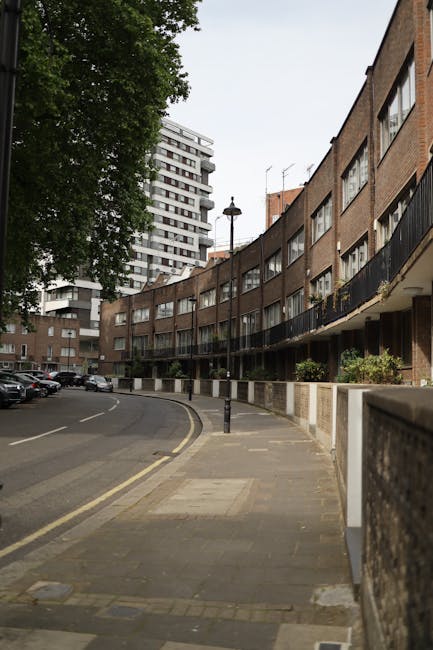
Chelsea Bridge Estate sits in a part of London where access can be more limiting than people expect. Even when a property looks straightforward from the street, the route from van to front door may involve long internal corridors, lift restrictions, controlled entry points, tight corners, or a shared loading area that is not really designed for a full-scale house move. That is why a narrow-access strategy is not a nice extra. It is the move.
In practice, the challenge is not only physical space. It is timing, coordination, and patience. You might only get a short loading window. Your lift could be booked by another resident. A sofa that looked manageable in the living room may suddenly refuse to pivot in the hallway. The smell of fresh cardboard, the sound of tape guns, and that moment when everyone pauses at a stair landing because the wardrobe is just a bit too wide - yes, it happens. More often than people admit.
Good planning reduces risk to the building, your belongings, and your nerves. It also helps the crew work efficiently, which matters in an area where space is tight and delays can snowball quickly. If you are moving from a flat, handling a home move, or arranging a small office relocation, access planning should be treated as a core part of the job, not an afterthought.
Expert summary: In narrow-access moves, success usually comes from three things: accurate access checks, smaller and smarter loads, and a realistic moving order. Skip those, and even a short move can become a long day.
How Chelsea Bridge Estate Knightsbridge narrow access removals tips Works
The basic idea is simple: you adapt the removal plan to the property, not the other way around. That means assessing the route before moving day, deciding what vehicle can actually be used, breaking the load into manageable sections, and making sure the team knows the exact obstacles in advance.
For a narrow-access move, the process usually starts with a survey of the property and the approach route. At Chelsea Bridge Estate, that might include checking the width of internal access points, lift dimensions, ceiling height, turning space, parking position, and whether anything needs to be carried by hand over a distance. If you have ever tried to move a king-size mattress through a tight stairwell, you already know why this matters.
The next step is matching the job to the right kind of vehicle and crew size. A larger moving truck may be useful for volume, but it can be awkward or impossible if the estate access is restricted. Sometimes a smaller man with a van setup, or a well-planned removal van, is the more sensible choice. The point is not to cram everything into one load. The point is to move everything safely and without unnecessary damage.
In many cases, the move is also organised in stages. Bulky furniture may go out first, then boxed items, then fragile pieces, then last-minute essentials. If the property has a lift booking system, timing becomes part of the move itself. If it does not, timing still matters, because narrow corridors can bottleneck fast when everyone is carrying something awkward at once.
And yes, sometimes the best decision is to use temporary storage for items that do not need to move in the first wave. It is not glamorous, but it can save a lot of hassle. If you want to reduce pressure on move day, a short-term storage arrangement can be surprisingly useful.
Key Benefits and Practical Advantages
When you plan narrow access removals properly, the benefits are not abstract. You feel them in the move itself.
- Less risk of damage: Tight corners are where corners get knocked, table legs split, and paintwork scuffed. A better access plan reduces that risk from the outset.
- Faster loading and unloading: Fewer wrong turns, fewer pauses, fewer "hang on a second" moments.
- Lower stress for everyone: A clear route and a smaller, more suitable vehicle usually make the day feel much more controlled.
- Better use of labour: If the team knows what to expect, they can bring the right equipment and manage carrying distances properly.
- More accurate pricing: Good information means better quotes. Nobody enjoys surprise costs after the van has already arrived.
There is also a quieter benefit that people often miss: better communication with the building and neighbours. In a high-end London estate, that can matter as much as the move itself. A well-managed job is less disruptive, less noisy, and less likely to cause friction with residents or concierge staff. That makes a real difference, especially on a busy weekday morning.
If your move includes valuable items or awkward pieces such as mirrors, artwork, or instruments, careful access planning becomes even more important. For specialist items, it may be worth looking at piano removals or furniture removals support rather than treating everything as a general load.
Who This Is For and When It Makes Sense
These tips are relevant for anyone moving into, out of, or within Chelsea Bridge Estate where access is tight or controlled. That includes flat owners, renters, landlords, families, and businesses with furniture or equipment to relocate.
It makes especially good sense if you are dealing with any of the following:
- a flat move with shared hallways or limited lift space
- a home move involving bulky furniture
- a small office relocation with desks, chairs, and boxed files
- a same-day or short-notice move
- a move involving particularly fragile, heavy, or high-value items
- restricted parking or a loading bay that needs careful timing
It also makes sense if you are the kind of person who likes a plan before the boxes start piling up. Honestly, that is the smarter way to do it. The people who say, "We'll just see how it goes," tend to be the same people standing in the hallway later, wondering how a mattress got stuck at a ninety-degree angle.
Students moving into smaller Knightsbridge flats, professionals shifting between rentals, and downsizers moving from larger homes all face different versions of the same issue: too much stuff, not enough space, and not enough time. For those smaller, flexible jobs, a man and van service or a man with a van arrangement often fits the reality of the access better than a large truck. If you are moving furniture only, a focused furniture removals approach can also be a good fit.
Step-by-Step Guidance
Here is the practical sequence that tends to work best for narrow-access moves in Chelsea Bridge Estate.
-
Measure the route, not just the rooms.
People often measure the sofa and the doorway, then forget the corridor bend, stair rail, or lift opening. Measure the full path from van access to final placement. If there is a 90-degree turn halfway along, include that in your thinking. It sounds obvious, but it gets missed all the time.
-
Separate bulky items from standard boxes.
Put the awkward pieces on a short list: beds, wardrobes, sofas, appliances, glass items, and anything heavy or fragile. Then decide which of those need special handling. This helps prevent the "everything arrives at once" problem, which is a classic moving-day trap.
-
Choose the right vehicle size early.
Do not assume bigger is better. A smaller vehicle may be far easier to position close to the entrance, especially if the estate has tighter access than expected. For larger house moves, you may still need a fuller load plan, but it is worth checking whether a split-load approach would work better.
-
Book access, parking, and lift time where required.
Some moves need building coordination. If you can reserve a lift or loading zone, do it early. If not, at least make sure everyone involved knows the likely timings and arrival order. A ten-minute delay can be minor; a thirty-minute delay in a narrow hallway is where annoyance starts to bloom.
-
Pack for carrying, not just for stacking.
Use sturdy boxes, tape them properly, and avoid overfilling them. Heavy items should go in smaller boxes. Fragile items need padding and clear labelling. If you are uncertain about the packing standard, professional packing and boxes support can save you from doing it twice.
-
Protect the building before the first item moves.
Hallway corners, lift doors, floor coverings, and thresholds are usually the first things to suffer in a tight move. Good teams use blankets, covers, and careful lifting to reduce impact. It is simple protection, but it goes a long way.
-
Load in the right order.
Put the most awkward items in first if the vehicle space allows, then stack around them. If items need to come out in a particular order at destination, load with that in mind. The calmest moves are the ones where the van is packed like a sensible puzzle, not a lucky dip.
-
Leave a final essentials kit aside.
Keep documents, chargers, toiletries, medication, kettle basics, and key valuables with you. That way, if the move takes longer than expected, you are not rummaging through twelve boxes looking for a phone cable at 9:30 p.m.
If the move is happening under time pressure, some people also combine access planning with same day removals. That can work, but only if the access details are clear before the van arrives. Otherwise the "quick move" becomes a very long afternoon. Truth be told, nobody wants that.
Expert Tips for Better Results
There are a few small things that make a surprising difference in narrow-access removals, and these are the ones experienced movers tend to notice first.
1. Treat the route as a shared working space
In estate moves, you are often moving through spaces used by other residents. Keep walkways clear, use good communication, and avoid leaving items parked in communal areas longer than necessary. It is basic etiquette, but in a building with narrow access it matters more than people think.
2. Use the smallest practical carry units
Smaller boxes are not just easier to lift. They are safer on stairs and easier to turn in corridors. One overpacked box can slow down the entire pace of the job. That is not an exaggeration. A single awkward item can hold everyone up.
3. Take photos of anything tight or tricky before move day
A quick phone photo of the entrance, stairwell, lift, or parking spot can be hugely useful. It helps the crew anticipate pinch points and decide whether a removal van, a smaller team, or even temporary storage is the better answer.
4. Keep one person responsible for decisions
When too many people are giving instructions, moving day gets messy. Pick one point of contact. It keeps things moving, and avoids the strange situation where three people are discussing the same chair from different corners of the hallway. We have all seen it.
5. Be honest about the awkward items
That antique sideboard? Mention it. The oversized bed frame? Mention it. The treadmill? Definitely mention it. Better to flag a difficult item early than to discover at the landing that it needs disassembly. For large or heavy jobs, a broader removal services plan may be more appropriate than a minimal van-only booking.
One more thing: if you are moving a flat with very limited access, sometimes the smartest decision is not to force a full truck solution. A tailored flat removals setup is often more practical and less stressful.
Common Mistakes to Avoid
Most access problems are avoidable. Not all, but most. Here are the ones that come up again and again.
- Booking the wrong vehicle size: Too large and you may struggle with access; too small and you create extra trips.
- Ignoring the hallway or staircase: The room dimensions are only half the story.
- Overpacking boxes: Heavy boxes are harder to carry and more likely to fail at the worst moment.
- Forgetting building rules: If there are lift bookings, quiet hours, or access instructions, they should be checked before the day starts.
- Leaving packing to the last minute: Rushed packing creates loose lids, poor labelling, and fragile items with no protection.
- Not measuring furniture properly: A wardrobe that fits in the van may still be impossible to turn in a narrow staircase.
- Assuming all removals companies handle access the same way: They do not. Some are better set up for estate work, smaller vans, or partial loads than others.
There is a quiet trap in luxury and central London moves: people assume that because the property is premium, the access must be straightforward. Sometimes it is, but sometimes not at all. Shared lifts, concierge checks, and protected interiors can make the job more delicate rather than easier.
If you are moving office contents or equipment, the risks are similar. For that kind of move, structured office removals or commercial moves planning is usually better than trying to wing it on the day.
Tools, Resources and Recommendations
You do not need a warehouse full of specialist equipment for a narrow-access move, but a few sensible tools help a lot.
- Measuring tape: Useful for doors, corridors, furniture, and lift openings.
- Furniture blankets and covers: Helpful for protecting edges, banisters, and door frames.
- Strong tape and labels: The unglamorous heroes of organised packing.
- Sturdy boxes in mixed sizes: Especially important if you need to carry items by hand.
- Gloves with grip: They help when carrying awkward or smooth surfaces.
- Dolly or sack truck: Useful where surfaces and turning space allow, though not always in the narrowest spots.
- Inventory list: A simple sheet or phone note makes it easier to check nothing is left behind.
For many customers, the most useful resource is not a tool at all but a clear pre-move conversation about access. If a move includes special handling, storage, or fragile pieces, ask whether the plan should include packing and unpacking services or a split-load arrangement. That can save both time and energy.
If you are comparing providers, it also helps to review pricing and quotes carefully so you understand what is included, what is assumed, and what might change if access turns out to be more difficult than expected. Good quotes are specific. Vague ones usually are not.
Law, Compliance, Standards, or Best Practice
For a move like this, the main compliance concerns are practical rather than dramatic: safety, access, insurance, and building rules. In the UK, removals work is generally expected to follow sensible manual handling practice, safe loading, and careful property protection. That means lifting within reasonable limits, using the right equipment, and not turning a narrow corridor into a hazard zone.
Buildings in Knightsbridge and the wider London area may also have their own access procedures. These might include porter instructions, lift booking times, quiet periods, parking restrictions, or requirements to protect common areas. None of this is unusual, but it needs checking early. If there is a building manager or concierge, speak to them before move day rather than assuming access will sort itself out. It rarely does.
Insurance is another quiet but important point. If a property has tight access, the risk of accidental scuffs or bumps is higher simply because the margins are smaller. Make sure the moving team has suitable cover and a clear process for handling valuables. A reputable provider should be able to explain this plainly. If they are vague, that is usually a sign to slow down and ask more questions.
You can also look at general company information such as insurance and safety, health and safety policy, and terms and conditions so you know what standards and responsibilities are being set. That is just good sense, especially for bigger moves or items with higher value.
Options, Methods, or Comparison Table
Not every narrow-access move needs the same approach. Here is a simple comparison that may help you decide.
| Method | Best for | Advantages | Watch-outs |
|---|---|---|---|
| Man and van | Smaller loads, single flat moves, short local trips | Flexible, easier to position, often better for limited access | May need multiple trips if volume is larger than expected |
| Removal van | Moderate household loads and furniture | Balanced size, good for estate access when space is limited | Still needs careful parking and loading coordination |
| Full removal truck | Larger house moves or fuller inventories | Efficient for volume, fewer total runs | Can be harder to accommodate in tight estate access |
| Storage-first approach | Moves with timing gaps, downsizing, staged relocation | Reduces pressure, allows split delivery | Adds an extra handling step and needs planning |
For many Chelsea Bridge Estate moves, the smartest option is a hybrid of the first two rows: a manageable vehicle size, careful loading, and a clear plan for anything awkward. If you are moving a smaller volume or doing a student move, the more compact student removals style of booking can also be the right fit. Small does not mean second-rate. Sometimes it means well matched.
Case Study or Real-World Example
Here is a realistic example, the sort of thing that happens all the time in central London.
A couple moving out of a Knightsbridge flat at Chelsea Bridge Estate had a sofa, a bed frame, two wardrobes, a dining table, and around thirty boxes. On paper, it looked like a standard half-day move. Once they checked the access, though, they realised the lift was too small for one wardrobe unless it was partly dismantled, the corridor had a tight corner near the service door, and the nearest loading position was only suitable for a smaller van.
So they changed the plan. The wardrobes were dismantled the day before. Fragile items were packed separately. The heaviest boxes were repacked into smaller loads. A smaller vehicle was booked rather than a large truck. One person was assigned to keep the route clear and coordinate with the building staff. The result was boring in the best possible way: no scrapes on the walls, no stalled arguments in the stairwell, and no emergency dash for extra tape halfway through.
The funny thing is, the couple had been close to overplanning the furniture and underplanning the access. That is probably the most common mistake of all. People focus on what they own, not how the building behaves. Yet the building always has the final say.
That move also showed why a helpful local team matters. A good mover does not just carry boxes. They read the layout, spot the awkward bits early, and adapt. If the situation had been more complex, the team could have added a house removals style plan or, for a heavier-scale move, even considered a removal truck hire option with a split delivery schedule.
Practical Checklist
Use this as a quick pre-move checklist for Chelsea Bridge Estate narrow access moves.
- Measure doorways, corridors, stairs, and lift openings.
- Confirm loading access, parking, and time windows.
- Tell the moving team about tight corners, low ceilings, or awkward turns.
- Identify which items need dismantling before the move.
- Pack heavy items into smaller boxes.
- Label fragile boxes clearly and keep them easy to identify.
- Protect floors, corners, and door frames.
- Prepare an essentials bag for the first night.
- Check whether storage will help reduce pressure.
- Review insurance, safety, and terms before confirming the booking.
- Assign one main contact for the day.
- Keep corridors and access points clear.
Quick takeaway: if you plan the access properly, most of the stress disappears before the first box is lifted. That is the whole game, really.
Get a free quote today and see how much you can save.
Conclusion
Chelsea Bridge Estate Knightsbridge narrow access removals tips are really about one thing: respecting the building as much as the belongings. When you measure properly, choose the right vehicle, pack with carrying in mind, and stay realistic about tight spaces, the move becomes much more manageable. Not effortless, perhaps. But manageable - and that is a big difference.
Whether you are moving a flat, a family home, furniture only, or a small office setup, the safest approach is usually the simplest one: plan the access, reduce the load where needed, and keep communication clear. In a place like Knightsbridge, calm beats rushed every time.
And if you do it well, there is a strangely satisfying moment at the end when the last box is in place, the hallway is clear again, and the day that looked complicated at 8 a.m. somehow feels tidy by evening. Lovely, really.
Frequently Asked Questions
What makes Chelsea Bridge Estate removals different from a normal London move?
The main difference is access. Shared entrances, narrow corridors, lift restrictions, and estate rules can change how the move has to be planned. The goods may be the same, but the route is often less forgiving.
Should I use a man and van service for narrow access?
Often, yes. A smaller vehicle can be easier to position near the entrance and may be a better fit for limited access. It depends on the volume of items, but smaller can absolutely be smarter.
Do I need to measure everything before booking?
You do not need a full engineering survey, but you should measure major furniture, doorways, corridors, and any lift openings if possible. That simple step prevents a lot of nasty surprises.
What if my sofa or wardrobe does not fit through the hallway?
Then it may need dismantling, a different route, or a different loading method. In some cases, it is easier to move the item in sections or arrange short-term storage for awkward pieces.
How can I protect walls and floors in a narrow communal area?
Use furniture blankets, corner protection, and careful lifting. A good moving team should work to reduce contact with walls, corners, and thresholds wherever practical.
Is storage worth considering for a Chelsea Bridge Estate move?
Yes, especially if your move is staged, your completion dates do not line up neatly, or you have bulky items that make the access too tight for a single load.
What is the biggest mistake people make with narrow-access removals?
Assuming the move will work out on the day without checking access properly first. That usually leads to delays, extra handling, or last-minute changes that could have been avoided.
Can I arrange same-day removals if access is tight?
Sometimes, but it needs clear planning. Same-day work is possible for the right type of job, yet narrow access means there is less room for improvisation. The details have to be right.
Are there special considerations for office moves in Chelsea Bridge Estate?
Yes. Office items often include desks, chairs, files, screens, and other equipment that need organised loading and handling. For that, structured office relocation planning is usually the safest approach.
How far in advance should I plan a narrow access move?
As early as you can. Even a simple move becomes easier with a little lead time. You need time to measure access, check building rules, and decide whether packing or storage support will help.
What should I ask a removals company before I confirm the booking?
Ask what vehicle they recommend, whether they have experience with narrow access, how they handle protection, what insurance is in place, and what happens if access turns out to be tighter than expected.
Is a larger truck ever better for narrow access?
Not usually. A larger truck may be efficient for volume, but if it cannot position safely or easily near the property, it can create more work rather than less. The right fit matters more than size alone.