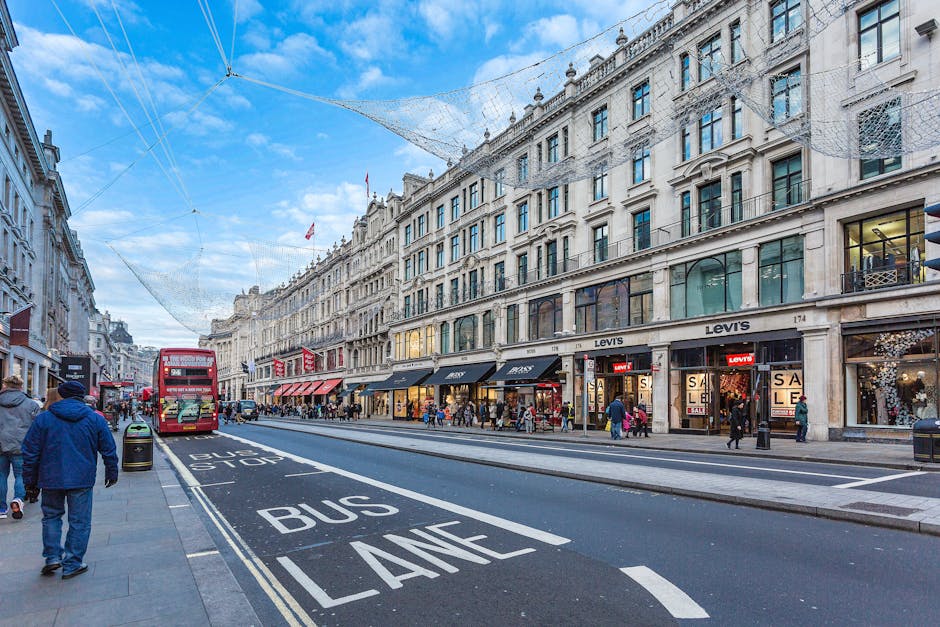
Knightsbridge Office Removals for Brompton Road Retailers: A Practical Local Guide
If you run a shop, boutique, showroom, or small retail office near Brompton Road, moving premises can feel like juggling glassware in a crowded doorway. One delayed delivery, one blocked lift, one missing cable pack and the whole day can unravel. That is why Knightsbridge office removals for Brompton Road retailers need a different level of planning from a standard office move.
This guide explains how a well-run retail relocation works in Knightsbridge, what to expect on the ground, and how to protect stock, fixtures, devices, and customer service while you move. We will also look at timing, compliance, storage, packing, and the practical decisions that make the difference between a smooth transition and a messy one. To be fair, it is rarely the big dramatic issues that cause trouble. It is usually the small ones: a key forgotten, a loading slot missed, or a display unit that was never measured properly.
If you want a broader picture of local moving support first, you may also find the services overview useful, and if the move needs a bigger team or specialist handling, the dedicated office removals in Knightsbridge page gives a helpful starting point.
Table of Contents
- Why Knightsbridge office removals for Brompton Road retailers Matters
- How Knightsbridge office removals for Brompton Road retailers Works
- Key Benefits and Practical Advantages
- Who This Is For and When It Makes Sense
- Step-by-Step Guidance
- Expert Tips for Better Results
- Common Mistakes to Avoid
- Tools, Resources and Recommendations
- Law, Compliance, Standards, or Best Practice
- Options, Methods, or Comparison Table
- Case Study or Real-World Example
- Practical Checklist
- Conclusion
- Frequently Asked Questions
Why Knightsbridge office removals for Brompton Road retailers Matters
Brompton Road sits in one of London's most demanding retail environments. Space is expensive, pavements can be busy, access can be tight, and your customers expect the shop to look polished even when a move is happening behind the scenes. That combination makes relocation planning especially important for local retailers and retail-adjacent offices.
For a Brompton Road business, moving is not just about shifting desks from A to B. It can involve stock control, display items, branded furniture, EPOS systems, files, tills, office IT, back-office equipment, and sometimes sensitive documents. If the move is handled casually, you can lose trading time, disrupt staff schedules, and create avoidable stress. And let's face it, no retailer needs extra stress in the middle of a lease end or refit.
Knightsbridge also has its own rhythm. Morning deliveries, school-run traffic, visitor flow, and weekday footfall can all affect loading and unloading. A move that looks simple on paper can become awkward very quickly if the van cannot park where you expected, or if a lift booking was never confirmed. That is why local knowledge matters so much.
Good office removals protect more than physical items. They protect continuity. If your team can open the new space on time, with systems working and shelves ready, the move has done its job.
Practical takeaway: In Knightsbridge, a retail office move succeeds when logistics, timing, packing, and customer-facing continuity are planned together, not separately.
If storage is likely to be part of the journey, you may also want to look at secure storage options in Knightsbridge, especially for seasonal stock or furniture that cannot go straight into the new premises.
How Knightsbridge office removals for Brompton Road retailers Works
A retail office move in this part of London usually follows a structured sequence. The details change depending on shop size, stock volume, and access, but the logic stays the same: assess, plan, pack, transport, install, and check.
1. Initial survey and planning
The first step is a clear understanding of what is being moved. That means inventory, floor plans, access details, parking restrictions, lift use, and any items needing extra care. Retailers often underestimate how much is hidden in the back office: drawers full of receipts, packaging materials, printers, spare signage, cables, and seasonal accessories. It adds up fast.
A good mover will ask questions about the new site as well as the current one. Are there stairs? Is there a service entrance? Do you need a timed arrival? Can the van wait nearby, or must it be a rapid unload? Simple questions, but they prevent headaches later.
2. Packing and labelling
For retailers, packing needs a little more discipline than a standard office move. Boxes should be labelled by function, room, and priority. A "front-of-house" label is much more useful than a vague "miscellaneous" box. Likewise, tills, IT leads, display fittings, and confidential paperwork should be separated, not mixed together in a panic on the afternoon before the move.
For help with materials, tape, cartons, and protective wraps, the packing and boxes service is worth considering if you want the move set up properly from day one.
3. Dismantling and protection
Desks, modular shelving, counters, and presentation units may need dismantling before transport. Retail fixtures are often more awkward than they look. A simple garment rail can become a nuisance if it is not protected and tied down properly. Glass shelves, mirrors, and display lights need particular care. One loose screw, one chipped edge, and suddenly a neat move becomes a repair job.
4. Loading and transport
Loading in Knightsbridge often requires timing around traffic and access conditions. Skilled crews tend to use trolleys, blankets, straps, and careful stacking so that equipment does not move in transit. If the journey is short, that does not mean the job is easy. Short city journeys can be the most awkward, truth be told, because there is less margin for bad packing.
5. Unloading and set-up
Once on site, the focus shifts to getting the space usable quickly. Retailers usually want the essentials first: IT, tills, internet hardware, a basic work area, and any stock needed for immediate trade. The rest can follow in a sensible sequence. That way your team can start functioning again instead of standing in a room full of unopened boxes wondering where the charger went.
6. Post-move checks
A proper move ends with checks, not guesswork. Are all items delivered? Are any boxes damaged? Do doors, lifts, and access points look as expected? Have fragile items been inspected? A few minutes spent checking can save a week of avoidable back-and-forth.
Key Benefits and Practical Advantages
There are obvious benefits to using a structured removal service, but the real value for Brompton Road retailers lies in the practical details. Here is what a well-managed move can do for you.
- Reduced downtime: The sooner your team can resume work, the less business interruption you face.
- Better protection for stock and fixtures: Proper wrapping and loading reduce breakages and damage.
- Cleaner coordination: Staff, contractors, and delivery schedules stay easier to manage.
- Less physical strain: Heavy lifting, awkward furniture, and repeated carrying are handled professionally.
- Improved organisation: Labelling and sequencing make unpacking far less chaotic.
- Confidence during a pressured period: Having a clear plan takes the edge off what can otherwise be a stressful week.
There is also a quieter benefit people often miss: morale. Retail staff notice when a move is organised. It gives them confidence that the business is in control, which matters more than people think.
Who This Is For and When It Makes Sense
This kind of service is not only for large retailers. In fact, many of the most challenging moves are for smaller businesses with limited time and limited back-of-house space.
Typical users include:
- Boutiques relocating to a nearby unit on or around Brompton Road
- Independent retailers moving back-office functions into a new workspace
- Showrooms replacing furniture, shelving, or office equipment
- Premium brands needing discreet out-of-hours moving support
- Retailers combining office relocation with stock storage or refit work
- Businesses under a tight lease deadline who need a fast, coordinated move
You may also find a more general Knightsbridge removals service useful if the move includes a mix of office, retail, and household-type items. For smaller or quicker transfers, a man and van option in Knightsbridge can suit lighter loads. For more urgent needs, the same-day removals page may be relevant too.
A good rule of thumb? If the move includes fragile stock, IT equipment, customer-facing fixtures, or a deadline that really cannot slip, it is worth treating the project as a managed relocation rather than a quick van hire job. Would you trust a random, unplanned move with your display stock? Probably not.
Step-by-Step Guidance
Here is a practical way to organise a Brompton Road retail office move without overcomplicating it.
- Set the move objective. Decide whether you are relocating fully, partially, or in phases. Clarify the opening date for the new site.
- Audit everything. Make a room-by-room list of office items, stock, fixtures, and equipment.
- Map access. Note loading points, door widths, stairs, lift sizes, parking restrictions, and any building rules.
- Separate critical items. Keep vital documents, cash-handling items, chargers, and essential IT hardware apart from general packing.
- Label by priority. Mark boxes for immediate use, later use, fragile contents, and destination room.
- Book the moving window. Choose a time that minimises disruption, often early morning or after trading hours where possible.
- Prepare the new site. Make sure it is clean, accessible, and ready to receive the first load.
- Move in logical order. Start with core operational items, then stock, then decorative or lower-priority items.
- Check items on arrival. Compare against your list and flag any issues straight away.
- Unpack the essentials first. Get the business functioning before worrying about the nice-to-have bits.
A small but important point: keep one person in charge of decisions on the day. Too many voices can slow everything down. It sounds obvious. It rarely is.
Expert Tips for Better Results
These are the things that tend to improve outcomes in real moves, especially in a place as logistically unforgiving as Knightsbridge.
Start earlier than you think
Retailers often begin packing too late because the shop is still trading. That is understandable. But the earlier you begin with non-essential items, the calmer the final 48 hours will feel. Even moving a few archive boxes or spare fixtures a week ahead makes a difference.
Protect the customer experience
If customers can see the move, keep the front of house tidy. A clean, well-managed scene reassures people. A chaotic one does the opposite, even if the move is actually going fine behind the scenes.
Use colour coding where possible
It sounds simple, and it is. Colour coding helps staff identify where each box belongs without reading every label. Blue for office, red for cash desk, green for stock, for example. Not glamorous, but very effective.
Plan for the awkward items
Large mirrors, display cabinets, point-of-sale stations, branded plinths, and delicate tech need extra thought. If an item is awkward to lift, awkward to fit through a doorway, or awkward to replace, treat it as high priority. That is usually where problems hide.
Keep communication direct
One short briefing note to staff, suppliers, and contractors can prevent a surprising amount of confusion. Include timing, contact numbers, access rules, and what should not be touched.
For added peace of mind around handling and transit, review the site's insurance and safety guidance. And if you want to understand how quotes are usually put together, the pricing and quotes page is helpful because it explains how scope influences cost.
Common Mistakes to Avoid
Most retail moves go wrong because of a handful of predictable issues. The good news is that they are usually avoidable.
- Underestimating access problems: A van may be close to the building, but that still does not mean the load-in is easy.
- Mixing stock and office items: Keep commercial stock separate from paperwork and equipment. It saves hours later.
- Failing to measure furniture: A counter or shelf that will not fit through the new doorway is an expensive surprise.
- Leaving packing until the last day: This is the classic one. It always looks manageable until it suddenly is not.
- Not confirming building rules: Lift bookings, porter access, and delivery restrictions matter more than people expect.
- Ignoring the first day's needs: If you cannot operate, even in a limited way, the move has not really finished.
- Forgetting to back up data: IT losses can be worse than furniture damage because they affect trading immediately.
Sometimes a business assumes the move can be improvised on the morning. In Knightsbridge, that is a risky gamble. The area is busy enough that even a small delay can snowball.
Tools, Resources and Recommendations
You do not need a warehouse full of equipment, but a few practical tools make the move far smoother.
- Sturdy boxes and archive cartons: Good for paperwork, accessories, and smaller stock.
- Bubble wrap and paper protection: Useful for glass, electronics, and display items.
- Furniture blankets and straps: Help secure counters, desks, and shelving in transit.
- Trolleys and dollies: Essential for heavier boxes and awkward loads.
- Labels and markers: Simple, but absolutely necessary.
- Inventory sheets: A spreadsheet or printed checklist prevents items drifting into the unknown.
- Storage planning: Handy if the new site is smaller or being fitted out in stages.
For businesses needing a broader logistical package, the furniture removals service is relevant when desks, chairs, counters, and display units form a big part of the job. If the move is especially compact or you just need a vehicle and mover for a few hours, the removal van option can be a practical fit.
A small recommendation from experience: keep a "day one box" for each site. Inside it, put tape, scissors, charger leads, login details, a pen, wipes, basic tools, and any key contact numbers. It sounds almost too simple. Then you need it, and suddenly it feels genius.
Law, Compliance, Standards, or Best Practice
Retail moves in London do not usually turn on one single legal issue, but there are several areas where best practice matters. It is wise to stay careful rather than casual.
Health and safety
Manual handling, trip hazards, and safe loading all matter. Staff should not be asked to lift beyond their ability, and moving routes should be kept clear where possible. A responsible mover should work with sensible health and safety procedures, particularly when handling heavier furniture or fragile stock.
You can review the company's own health and safety policy for an overview of how safety is approached during removals.
Insurance and liability
Before the move, check what is covered, what is excluded, and what the claims process looks like if something goes wrong. This is not about expecting problems. It is about being prepared, which is a different thing altogether. Keep documentation for higher-value items where practical.
Data and confidentiality
Retail offices may hold customer data, supplier records, payroll materials, and internal business documents. Those items should be packed securely and handled by trusted staff only. Use locked containers or sealed boxes where needed, and do not leave sensitive paperwork in shared spaces.
Waste and disposal
Moves often create unwanted packaging, broken fittings, old shelves, and obsolete office items. Responsible disposal is part of the job. If sustainability is important to your business, the recycling and sustainability page is a useful reference point.
Contract and service clarity
Before moving day, confirm timings, access, what is included, and what happens if the plan changes. A clear agreement reduces friction. If you want to see the terms and support pages available, you may also want to review the terms and conditions and the complaints procedure. That is not the exciting part of a move, granted, but it is the sensible part.
Options, Methods, or Comparison Table
Retailers on Brompton Road typically choose between a few different moving approaches. The right one depends on scale, urgency, and how much operational disruption you can tolerate.
| Approach | Best for | Advantages | Trade-offs |
|---|---|---|---|
| Full managed office removal | Larger retail offices, complex stock, multiple rooms | Best coordination, less stress, structured packing and set-up | Requires more planning and usually a bigger budget |
| Man and van support | Small office loads, short local transfers, lighter equipment | Flexible, fast, suitable for compact moves | Less ideal for large volumes or delicate setup needs |
| Phased move | Businesses staying open during relocation or refit | Lower downtime, easier continuity | Needs detailed sequencing and more management time |
| Move with storage | Fit-outs, delays, seasonal stock overflow | Useful when the new site is not ready | Extra handling and storage coordination |
There is no universal best option. A luxury retailer with fragile displays will have very different needs from a small office handling bookkeeping, stock admin, and a few workstations. The trick is matching the method to the business, not the other way around.
Case Study or Real-World Example
Here is a realistic example based on the kind of move that often happens locally.
A Brompton Road retailer is moving its back-office space from one nearby unit to another after a lease change. The business has a handful of desks, boxed archive files, branded shelving, display accessories, and a small amount of stock waiting for a seasonal refresh. The new space is only a short distance away, but access is awkward: one building has a narrow service entrance, the other needs a lift booking. Nothing dramatic, but enough to go wrong if left unplanned.
The team starts by separating items into three groups: essential day-one items, fragile or high-value items, and items that can go into storage. The movers arrive early, protect the floor, load the counters and shelves carefully, then transfer the boxes in a clear sequence. At the new site, the first priority is IT and admin equipment so staff can work immediately. Stock and decorative items follow once the core workspace is live.
The key thing here is not speed for its own sake. It is order. The move feels calm because the decisions were made before the van arrived. The business gets back to trading sooner, and nobody spends the afternoon hunting for a charger. Small victory, but an important one.
Practical Checklist
Use this checklist before moving day. It keeps the project grounded.
- Confirm moving date, time window, and access details
- Measure doorways, lifts, and key furniture items
- List office equipment, stock, fixtures, and fragile items
- Back up digital data and secure key documents
- Label boxes by room and priority
- Separate cash-handling items and confidential files
- Arrange parking or loading permissions if needed
- Prepare the new site for delivery and unpacking
- Pack a day-one essentials box
- Check items on arrival and report issues quickly
If you have a move that needs to stay on schedule in a tight urban setting, it can also help to speak with a local team through the contact page. If you are still comparing service levels, the firm's about us page is useful for understanding the local approach and who you are dealing with.
Conclusion
Knightsbridge office removals for Brompton Road retailers work best when they are treated as a business operation, not just a transport job. That means planning for access, timing, stock protection, staff coordination, and day-one readiness. It also means recognising the local reality: busy streets, premium premises, and very little room for avoidable mistakes.
If you get the basics right early, the move becomes far less intimidating. The boxes arrive where they should, the fixtures stay protected, and your team can settle into the new space with a bit more calm than you probably expected. And honestly, that calm is worth a lot.
Get a free quote today and see how much you can save.
Whether you are relocating a small back office, moving retail fixtures, or planning a phased transfer with storage, a careful approach will pay you back in reduced stress and smoother trading. One good move can make the next month feel lighter. That matters.
Frequently Asked Questions
What do Knightsbridge office removals for Brompton Road retailers usually include?
They typically include packing, loading, transport, unloading, and basic placement at the destination. Depending on the service, they may also include dismantling furniture, handling fragile items, and coordinating storage or same-day support.
How far in advance should a Brompton Road retailer book an office move?
As early as possible. For busy London locations, it is sensible to book once your move date is reasonably fixed, especially if access windows, lifts, or out-of-hours timing are involved.
Can a retail office move be done outside trading hours?
Yes, often it can. Out-of-hours moves are common where a retailer wants to reduce disruption to customers and staff. The exact arrangement depends on building access, timing, and operational requirements.
What is the difference between office removals and general removals for retailers?
Office removals focus on business equipment, documents, furniture, and workspaces. Retail moves may also include stock, display units, and customer-facing fixtures, so they often need a more careful layout and sequencing plan.
Do I need storage during the move?
Not always, but storage helps if the new unit is not ready, if you are refitting in phases, or if you want to keep seasonal stock or surplus furniture safe for a period.
How do I protect stock and fragile display items?
Use proper packing materials, separate fragile items from heavy ones, and label everything clearly. Glass, mirrors, lighting, and branded display pieces should be wrapped and loaded with extra care.
What should I move first on the day?
Start with items that let the business function: IT hardware, essential paperwork, admin tools, and any equipment needed to resume operations. Stock and decorative pieces can follow after the core workspace is live.
Are same-day office removals realistic in Knightsbridge?
Sometimes, yes. Smaller local moves can often be arranged quickly, but it depends on the amount being moved, access conditions, and how much packing is already done.
How can I reduce downtime during the move?
Pack early, separate essential items, label clearly, and prepare the new site in advance. If possible, move in phases so the business can continue operating while the transition happens.
What if my retailer has confidential paperwork or customer data?
Those items should be packed securely and handled carefully. Use sealed boxes or locked containers where appropriate, and keep control of sensitive documents with trusted staff.
How do I choose between a full removal service and a man and van option?
If the move is small and straightforward, a man and van setup can be enough. If you have fragile stock, multiple fixtures, or a tight deadline, a fuller managed service is usually the safer choice.
Where can I get a quote or ask about a bespoke move?
You can start with the site's pricing information and then use the contact page to explain your access details, item list, and timing needs. A clear brief usually leads to a better quote and fewer surprises later.